Most organizations have rolled out a training program only to discover that half the team never finished it. The content was accurate, but it was long, dry, or hard to follow. Well-designed training videos solve this problem by respecting the viewer's time and presenting information in a clear, engaging sequence.
Drawing on our experience at Marant Media Group, a video production and animation company serving clients across Canada, this guide covers what makes training videos successful, how to plan them, and how to avoid the mistakes that cause viewers to lose interest.
What Makes Training Videos Effective?
Effective lessons share a few qualities. They have a single clear objective, they are written in plain language, and they show rather than tell. A viewer should be able to finish a lesson and state in one sentence what they learned. If the main takeaway is fuzzy, the viewer will forget it quickly.
Tone matters as well. A friendly, conversational voice keeps people engaged far better than a formal reading of policy language. Visuals should reinforce the narration instead of repeating it. If the voice describes a three-step process, the screen should show those three steps appearing in order.
Relevance is the final ingredient. People pay attention when the material connects to their daily work. Using realistic scenarios, familiar workplace settings, and examples drawn from your own organization makes the lesson feel useful rather than obligatory.
How Long Should a Lesson Be?
Shorter is almost always better. Short training videos are easier to watch between tasks, easier to update when a policy changes, and easier to revisit when someone needs a quick reminder. Rather than building one long course in a single file, consider splitting the material into a series of focused modules, each covering one skill or one topic.
A practical approach is to list everything the learner must know, group the items into logical themes, and give each theme its own video. Viewers then experience steady progress, which keeps motivation high. A series also lets you replace one outdated module without redoing the entire program.
How Do You Write a Script That Works?
The script is the backbone of every lesson. Write for the ear, not the eye. Use short sentences, everyday vocabulary, and a logical order. Introduce the goal at the start, explain the steps in sequence, and finish with a brief summary of the key points.
Read the script aloud before approving it. Any sentence that feels awkward to say will sound awkward to hear. If you already have a script or a policy document, we can refine it into a focused story that hits all your key goals. If you are starting from scratch, we can write it together with you.
Why Does the Storyboard Matter?
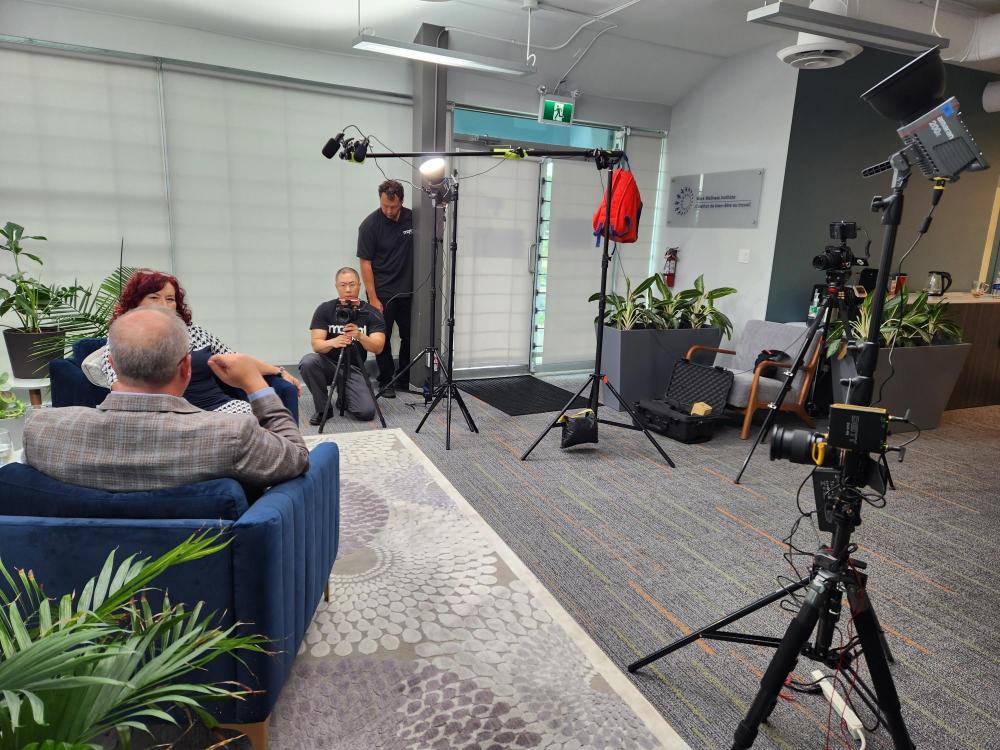
A storyboard maps the video scene by scene, pairing each line of narration with the visual that will accompany it. It is the best moment to catch problems, because changing a sketch is quick and inexpensive. Review it with the people who will actually use the lesson, check that the order makes sense, and confirm that the visuals match your brand. Once you approve the storyboard, we finalize the visuals and prepare for animation or filming and editing.
What Should You Know About Voiceover?
The voice shapes how your message feels. A warm, steady voice suits sensitive subjects, while an energetic voice suits product or sales lessons. We audition talent using your actual script and share three or four top samples, so you can hear your own words before deciding. Pace is worth considering too. Complex material usually benefits from a slower, more deliberate delivery.
How Do Training Videos Work With a Learning Management System?
Many organizations host their courses in a learning management system, and your videos should fit smoothly into it. Training videos built for this purpose can be organized into modules, paired with quizzes, and tracked for completion. We create custom learning content for this kind of integration and can produce each lesson in English, French, Spanish, Mandarin, or other languages, so your whole team learns in the language they understand best.
What Does the Timeline and Budget Look Like?
Most projects take about four to six weeks from consultation to final delivery. Rush projects can be accepted depending on timing, complexity, and availability. You begin with a free consultation, receive a detailed proposal with timelines, scope, and cost, and review a draft before anything is finalized. Once you approve the video and the final balance is paid, it is delivered in HD or 4K.
Our pricing is transparent and customized to your scale, with no hidden fees. New clients receive twenty percent off their first video, and every project is backed by a satisfaction guarantee. To keep costs under control, settle your script before production begins, limit the number of decision makers, and avoid adding scenes late in the process.
Why Choose a National Production Partner?
An experienced partner brings structure, speed, and creative problem solving. A sales and marketing manager at a composites company told us our team was responsive and quick to adjust any changes requested. A communications manager at a provincial chamber of commerce said we paid close attention to details and delivered a high quality result. Because our team works nationally, we can serve offices in Vancouver, Toronto, Calgary, Edmonton, Ottawa, Montreal, and many other communities with the same consistent quality.
Key Takeaways
Great lessons begin with a clear objective, a simple script, and a thoughtful storyboard. Keep each module short, choose a voice that suits your audience, and build content that fits your learning management system. Work with a partner that is open about timelines and pricing.